Trends in the real estate market in the second quarter of 2026
Nº 30 - June 2026
Highlights of the quarter: April – June 2026
The latest edition of G-Trends, Gloval’s quarterly report, is now available. It sets out the key points regarding the macroeconomic environment, provides an analysis of the property sectors and explores certain topical issues within the sector in greater depth.
You can download the full report via the following link:
Here is an introduction to some of the topics that we will be covering in this new real estate trends report for the second quarter of 2026:
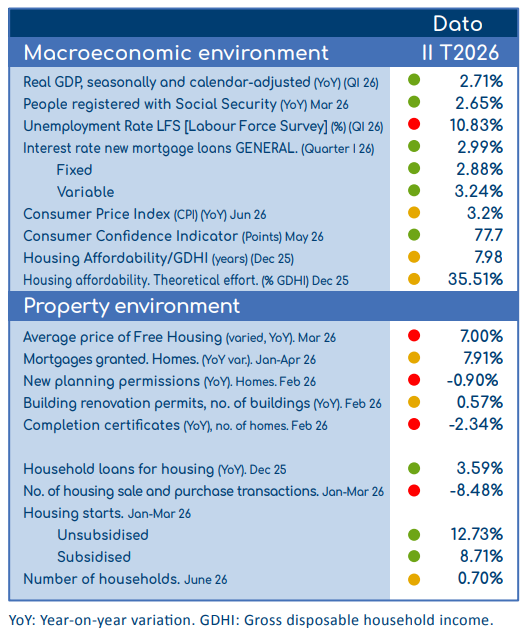
Balanced Scorecard - Q2 2026
The positioning of housing renovation
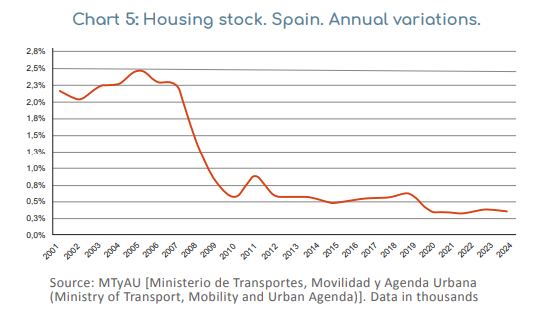
Housing renovation has become one of the main responses to the challenges of the current housing stock. The aging of buildings, the need to improve energy efficiency, and the demand for greater comfort make intervening in existing housing a priority today. Renovating a home means adapting it to current needs for habitability, efficiency, and safety.
Offices are being renovated and, in some cases, reinvented for other uses
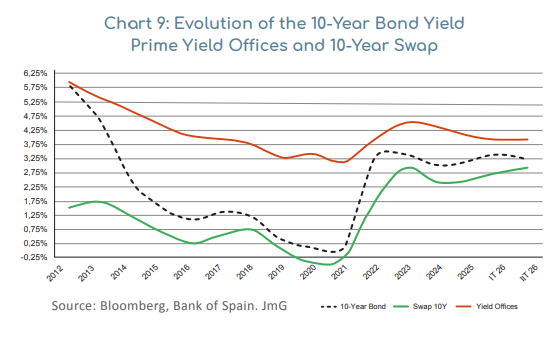
The office market in 2026 shows positive growth, which began in 2025, although it remains characterized by two distinct speeds. Demand is primarily concentrated in modern, efficient, well-connected buildings located in established areas, while assets in more distant or secondary CBD locations, requiring significant capital expenditures due to obsolescence or lower technical quality, show greater sensitivity in occupancy, rents, incentives, and longer lead times.
In the first half of 2026, Madrid and Barcelona maintained strong occupancy activity.
The growing interest in sustainability in hotels, offices, and property developments
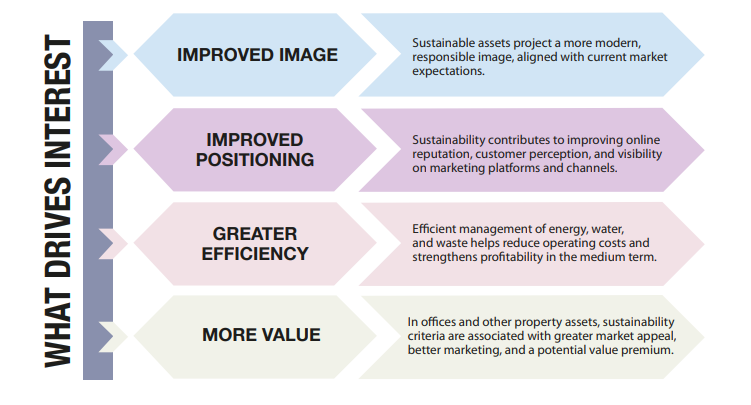
Increasing numbers of hotels, offices, and property developers are incorporating sustainability as a core element of their strategy. It is no longer just about complying with regulations or reducing environmental impact, but also about improving the asset’s image, obtaining better valuations, and strengthening its presence on digital platforms and marketing channels. In an increasingly competitive market, sustainability has become a differentiating factor with direct effects on reputation and demand.
In the hotel sector, for example, sustainable practices are increasingly influencing customer perception. Accommodations that demonstrate clear policies for energy conservation, efficient water management, waste reduction, and environmental commitment tend to project a more modern, responsible image, aligned with current traveller expectations This not only improves the establishment’s reputation but can also boost its ranking on booking websites and comparison sites, where quality and sustainability criteria are gaining importance. In the office sector, sustainability is associated with more efficient, healthier, and more attractive spaces for both companies and employees.
You may also see our previous GTrends Reports and our latest GIX Reports, where we analyse the main real-estate economic indicators in Spain.

 Download several reports
You can download all our reports at the following link:
Let’s have a chat
Let us know what you need and we’ll contact you as soon as possible.
They trust us